
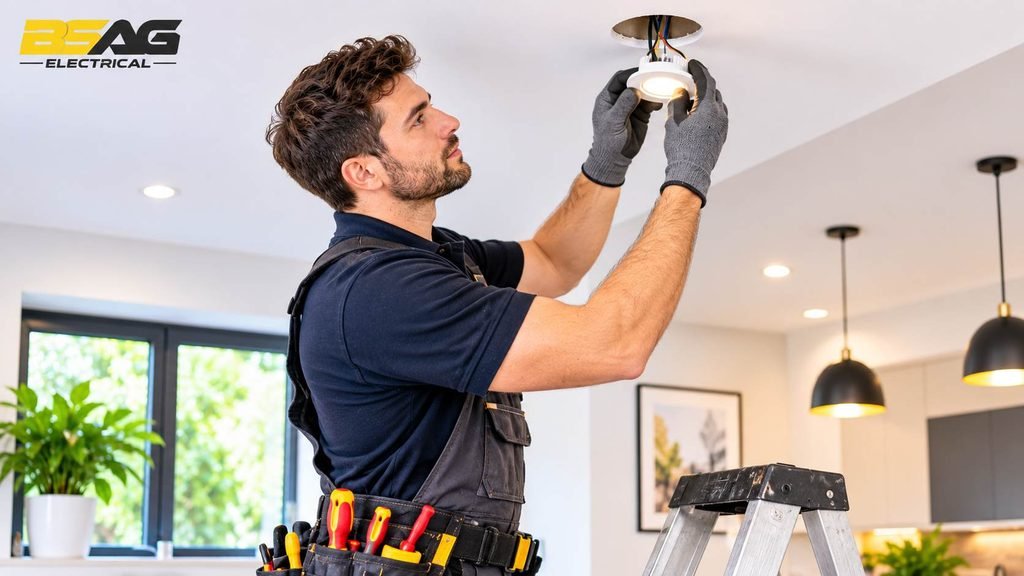
Planning a full house rewire is an important step when renovating an older property, improving electrical safety or preparing a home for modern electrical appliances. Before starting, homeowners should understand the condition of the existing wiring, the layout of the property, the work involved and how the installation will be tested after completion. Knowing what to know before planning a house rewire in the UK can help you prepare your property, avoid unnecessary disruption and make better decisions throughout the project.
Whether you own a traditional house, a Victorian property, a terraced home or a modern property undergoing renovation, careful planning can make the rewiring process more manageable. This guide explains what UK homeowners should consider before arranging a full electrical rewire.
If you are planning electrical improvements, explore the electrical services available from BSAG Electrical to understand the work that may be required for your property.
What Is a Full House Rewire?
A full house rewire involves replacing or upgrading the electrical wiring and associated components throughout a property where necessary. The work may include installing new cables, socket outlets, lighting circuits, switches, protective devices and other parts of the electrical installation.
The exact scope depends on the property’s existing wiring, its condition, layout and the electrical requirements of the homeowner.
A full rewire is often considered when:
- Existing electrical wiring is old or deteriorating.
- An electrical inspection identifies significant defects.
- The property is undergoing extensive renovation.
- The existing installation cannot adequately support modern electrical demands.
- Homeowners want to improve the layout of sockets, switches and lighting.
Not every older property automatically needs a full rewire. A qualified electrician should assess the installation before recommending replacement.
8 Things to Know Before Planning a House Rewire in the UK
1. Check the Condition of Your Existing Electrical Wiring
Before planning a rewire, establish the current condition of your electrical installation. Older properties may contain wiring that has deteriorated over time, previous electrical alterations or components that are no longer suitable for the property’s requirements.
Warning signs may include:
- Frequent circuit breaker tripping.
- Damaged sockets or switches.
- Flickering lights.
- Burning smells or signs of overheating.
- Cracked or deteriorating cable insulation.
- An outdated consumer unit.
- An electrical inspection identifying safety concerns.
These signs do not always mean a complete rewire is necessary. A professional electrical inspection can help determine whether repairs, partial upgrades or a full rewire are more appropriate.
2. Plan Your Socket and Switch Locations Carefully
One of the most important things to consider before rewiring is where you want your sockets, switches and lighting controls to be located.
Older properties may have fewer sockets than modern households require. During a rewire, homeowners may have an opportunity to improve the layout to suit their furniture, appliances and daily routines.
Consider the following before work begins:
- Where will televisions and entertainment equipment be located?
- How many sockets will you need in bedrooms?
- Where will kitchen appliances be connected?
- Do you need additional sockets for home office equipment?
- Where would you prefer light switches?
- Are outdoor sockets or lighting required?
Planning these details in advance can reduce the need for additional electrical work after the rewire is completed.
3. Consider Your Modern Electrical Requirements
Electrical requirements have changed considerably over time. Modern UK households often use more electrical equipment than older properties were originally designed to accommodate.
Before planning a rewire, think about the electrical equipment you currently use and what you may need in the future.
This may include:
- Electric ovens and hobs.
- Electric showers.
- Washing machines and tumble dryers.
- Dishwashers.
- Home office equipment.
- Electric vehicle chargers.
- Smart home systems.
- Additional indoor and outdoor lighting.
Planning for future needs can help the electrician design a suitable electrical installation rather than simply replacing the existing wiring in the same layout.
If you are considering an electric vehicle charger, our guide on how home EV charger installation works in London explains the installation process and some of the considerations involved.
4. Understand the Disruption During a House Rewire
A full house rewire can involve considerable disruption, particularly when cables need to be installed within walls, ceilings and floors.
Depending on the property’s construction and the scope of the work, electricians may need to access different areas of the house, lift floorboards, create access openings or remove sections of plaster.
Before work begins, discuss:
- Which rooms will be worked on first.
- Whether furniture needs to be moved.
- Whether floor coverings may need to be lifted.
- How dust and debris will be managed.
- Which areas may become temporarily inaccessible.
- Whether electricity will be unavailable during certain stages.
Planning the work around your household routine can help make the project easier to manage.
5. Decide Whether You Will Stay in the Property
Homeowners should consider whether they intend to remain in the property during the rewire.
Depending on the size of the house and the work involved, living in the property may be inconvenient. Electricity may be disconnected during parts of the work, rooms may be inaccessible and building dust may affect living spaces.
If you plan to stay at home, discuss the work schedule with the electrician before the project starts. If the property is undergoing a major renovation, temporarily moving out may make the work easier and more efficient.
The best option depends on the property’s layout, the work being carried out and your household’s circumstances.
6. Coordinate Rewiring with Other Renovation Work
If you are planning a kitchen renovation, bathroom upgrade, loft conversion or extension, it is worth coordinating electrical rewiring with the other work.
Electrical cables may need to be installed before walls are plastered, flooring is completed or new kitchen units are fitted.
Planning electrical work early can help avoid unnecessary rework and reduce the possibility of damaging newly finished surfaces.
For example, if you are renovating a kitchen, decide on appliance locations, lighting, switches and socket positions before the electrical installation begins.
The same approach applies to bedrooms, living rooms, home offices and other areas being renovated.
7. Understand UK Electrical Regulations and Certification
Electrical installation work in UK homes must comply with applicable safety requirements. In England and Wales, relevant domestic electrical work is covered by Building Regulations, including Part P.
Electrical installation work should be designed, installed, inspected and tested in accordance with the applicable requirements of BS 7671, the IET Wiring Regulations.
Before hiring an electrician, ask whether they are appropriately qualified and registered with a recognised competent person scheme where relevant.
After a full rewire, you should expect appropriate inspection, testing and electrical certification for the completed installation. Depending on the work and the installer’s registration, Building Regulations compliance documentation may also be required.
For additional information, homeowners can consult the Planning Portal’s guidance on electrical work and Building Regulations.
8. Prepare Your Property Before Work Begins
Preparing your property before a rewire can help the electrician access the areas required and make the process more organised.
Practical preparation may include:
- Moving furniture away from walls.
- Removing fragile items from work areas.
- Clearing access to the consumer unit.
- Protecting belongings from dust.
- Moving valuables to a safe location.
- Discussing access arrangements with the electrician.
- Confirming the planned work schedule.
The electrician should explain what preparation is needed for your property before the installation starts.
How Does a House Rewire Usually Work?
Although every property is different, a typical full rewire involves several stages.
Initial Assessment and Planning
The electrician assesses the existing electrical installation, discusses the homeowner’s requirements and plans the new socket, switch, lighting and circuit layout.
Removing or Disconnecting Existing Electrical Components
Depending on the agreed scope, old wiring and electrical components may be disconnected or removed where necessary.
Installing New Wiring
New cables and circuits are installed according to the planned layout and the property’s construction. Access may be required through walls, ceilings or floors.
Installing Sockets, Switches and Electrical Fittings
New sockets, switches, lighting points and other electrical components are installed in the planned positions.
Connecting the Consumer Unit
The new or existing consumer unit is assessed and connected as appropriate to the rewiring project. The protective devices and circuit arrangements must be suitable for the installation.
Inspection, Testing and Certification
After installation, the electrical work is inspected and tested to confirm that it is safe and complies with applicable requirements. Appropriate certification should be provided for the completed work.
What Should You Ask an Electrician Before a House Rewire?
Before agreeing to a rewire, homeowners should discuss the scope of the project and what will be included.
Useful questions include:
- Does the property need a full rewire or only partial electrical upgrades?
- Which rooms and circuits will be included?
- How will socket and switch positions be planned?
- Will the consumer unit need replacing?
- How will the work affect the household?
- What inspection and testing will be completed?
- What electrical certificates will be provided?
- Will plastering or making good be included, or arranged separately?
- Is the electrician suitably qualified and insured?
- What is the expected work schedule?
Discussing these details in advance can help you understand the project and avoid misunderstandings.
Why Is Professional House Rewiring Important in London?
London properties include a wide range of building types, from older terraced houses and Victorian homes to flats, converted properties and modern developments. Each type of property may have different wiring arrangements, access requirements and electrical demands.
A professional assessment can help identify the most suitable approach for the property. It also allows homeowners to plan improvements according to their current electrical requirements and future needs.
Whether you are renovating an older house or upgrading an electrical installation in a modern property, professional planning helps ensure the work is completed safely and appropriately.
You can view examples of electrical projects through the BSAG Electrical gallery.
Plan Your House Rewire with Confidence
Planning a house rewire involves more than replacing old cables. Homeowners should consider the condition of the existing installation, socket and switch locations, modern electrical requirements, renovation plans, household disruption and electrical certification.
Taking time to plan these details before work begins can help make the project more organised and ensure the new electrical installation is better suited to your property.
If you are considering rewiring your home or need advice about an electrical upgrade, explore the electrical services available from BSAG Electrical or visit the BSAG Electrical to learn more about the electrical work we provide.
Frequently Asked Questions
How long does a house rewire take?
The duration depends on the size of the property, the number of circuits, the wiring layout, access conditions and the extent of the work. A small property may require less time than a large house or a property undergoing extensive renovation. Your electrician should provide an estimated schedule after assessing the work.
Do I need to move out during a house rewire?
Not always. Some homeowners remain in their properties during rewiring, while others temporarily move out because of dust, disruption, restricted room access and interruptions to electricity. The decision depends on the project and your household's circumstances.
Does a full house rewire include a new consumer unit?
Not necessarily. The scope depends on the condition and suitability of the existing consumer unit. If the current unit cannot provide suitable protection or accommodate the new installation, replacement may be recommended.
Does a house rewire need to comply with UK regulations?
Yes. Electrical installation work must meet the applicable requirements. Domestic electrical work in England and Wales is subject to Building Regulations, including Part P, where applicable. The installation should also comply with relevant electrical safety standards and be appropriately inspected, tested and certified.
Can I add more sockets during a house rewire?
Yes, additional socket outlets can often be planned as part of a rewire, provided the electrical design and installation are suitable. This is an opportunity to consider where you use appliances, charge devices and work from home.