
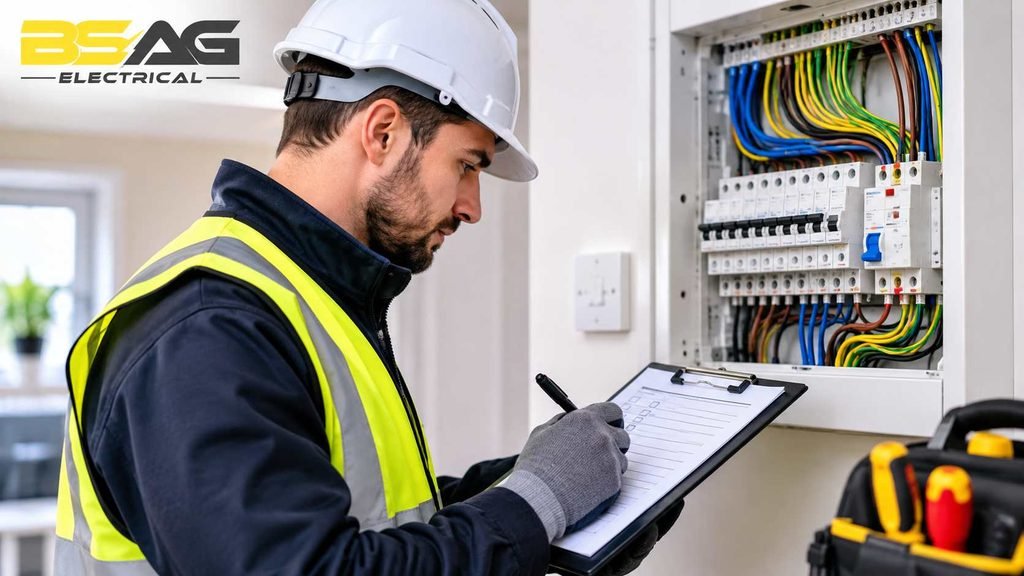
Electrical safety is essential for every residential and commercial property. Faulty wiring, damaged sockets, outdated consumer units and inadequate electrical protection can create serious safety risks if they are not identified. An Electrical Installation Condition Report (EICR) helps assess the condition of a property’s fixed electrical installation and identify problems that may require attention. Understanding what happens during an electrical EICR inspection helps homeowners, landlords and business owners in London prepare for the process and understand why regular electrical checks are important.
For more information about electrical inspections, testing and installation solutions, explore the BSAG Electrical services page. You can also visit the BSAG Electrical to learn more about the company and its electrical services.
What Is an Electrical EICR Inspection?
An Electrical Installation Condition Report (EICR) is a formal assessment of the condition and safety of a property’s fixed electrical installation. It is carried out by a suitably qualified and competent electrical inspector who examines and tests relevant electrical components.
The inspection helps identify deterioration, damage, defects, overloading and potential electrical hazards. It also checks whether the installation is suitable for continued use.
An EICR typically covers:
- Fixed electrical wiring and circuits.
- Socket outlets and switches.
- Light fittings and lighting circuits.
- Consumer units and protective devices.
- Earthing and bonding arrangements.
- Permanently connected electrical equipment.
- Other relevant parts of the fixed electrical installation.
The inspection is carried out with reference to the applicable requirements of BS 7671, the UK Wiring Regulations.
What Happens During an Electrical EICR Inspection?
An EICR inspection involves several stages. The exact process depends on the property’s size, electrical installation, condition and the agreed scope of inspection.
1. Initial Discussion and Property Assessment
The electrician begins by discussing the property’s electrical history and understanding the reason for the inspection.
They may ask about previous electrical work, existing reports, known faults and any concerns about the electrical system. The inspector also identifies the areas and circuits that need to be included in the assessment.
For properties in London, this initial stage helps establish whether the installation is residential, commercial or part of a larger building with more complex electrical arrangements.
2. Visual Inspection of Electrical Components
The next stage involves examining accessible electrical components to identify visible signs of damage, deterioration or unsafe installation practices.
The electrician may inspect:
- Socket outlets and switches for damage or overheating.
- Light fittings and electrical accessories.
- Consumer units and fuse boxes.
- Visible wiring and cable connections.
- Protective devices and circuit identification.
- Earthing and bonding connections.
The inspector looks for issues such as exposed conductors, loose connections, damaged accessories, missing covers and signs of overheating.
A visual inspection is important because some electrical problems can be identified without carrying out detailed electrical tests.
3. Checking the Consumer Unit and Protective Devices
The consumer unit distributes electricity throughout the property and contains protective devices designed to reduce electrical risks.
During an EICR inspection, the electrician checks the condition and suitability of the consumer unit and its associated protective equipment.
This may include examining circuit breakers, RCDs, RCBOs and other protective devices where fitted.
The inspector considers whether the protective arrangements are appropriate for the installation and whether there are signs of damage, deterioration or incorrect connections.
If an outdated or unsuitable consumer unit is identified, the report may recommend further investigation or remedial work.
4. Electrical Testing of Circuits
After the visual inspection, the electrician carries out appropriate electrical tests to assess the condition and performance of the installation.
Depending on the installation and agreed scope, testing may include:
- Continuity testing to check electrical connections and protective conductors.
- Insulation resistance testing to identify deterioration or faults in cable insulation.
- Polarity testing to confirm correct electrical connections.
- Earth fault loop impedance testing to assess the effectiveness of fault protection.
- RCD testing to check the operation of residual current devices.
Some tests require circuits to be temporarily isolated or the electrical supply to be switched off. The electrician should explain any necessary interruptions before testing begins.
These tests help identify problems that may not be visible during a visual inspection.
5. Checking Earthing and Bonding
Earthing and bonding are important parts of electrical safety. They help reduce the risk of electric shock by providing appropriate protective paths for fault currents and maintaining electrical safety between relevant conductive parts.
During the inspection, the electrician checks the condition and effectiveness of the earthing and bonding arrangements.
They may examine the main earthing conductor, protective conductors and main bonding connections to relevant services.
Missing, damaged or inadequate earthing and bonding arrangements may be recorded as observations requiring attention.
6. Recording Findings and Assigning Classification Codes
Once the inspection and testing are complete, the electrician records any defects, observations and areas requiring improvement.
An EICR uses classification codes to communicate the seriousness of identified issues.
Commonly used classifications include:
C1 – Danger Present: An immediate risk of injury exists. Urgent action is required to remove the danger.
C2 – Potentially Dangerous: A condition could become dangerous and requires urgent remedial action.
C3 – Improvement Recommended: The installation does not necessarily require remedial work to achieve a satisfactory report, but an improvement is recommended.
FI – Further Investigation Required: Additional investigation is necessary without delay to establish the extent or seriousness of a potential problem.
The inspector determines the appropriate classification based on the condition found during the inspection. A report containing C1 or C2 observations, or requiring further investigation under FI, will generally be recorded as unsatisfactory until the necessary action is completed.
7. Receiving the EICR Report
After completing the inspection and testing, the electrician prepares the Electrical Installation Condition Report.
The document records the installation details, inspection scope, testing results, observations and overall assessment.
It should also identify any limitations that affected the inspection, together with the recommended date for the next inspection where applicable.
Property owners and landlords should review the findings carefully and arrange any necessary remedial work with a suitably qualified professional.
How Long Does an EICR Inspection Take?
The duration of an EICR inspection depends on several factors, including:
- The size of the property.
- The number of electrical circuits.
- The age and condition of the installation.
- Accessibility of electrical components.
- The complexity of the electrical system.
- Any limitations or additional investigation required.
A smaller property with a straightforward electrical installation may take less time than a large house, commercial building or property with several distribution boards.
The electrician can provide a more accurate estimate after understanding the property’s layout and electrical requirements.
How Often Should an EICR Inspection Be Carried Out?
The recommended inspection frequency depends on the property type, how the electrical installation is used and its condition.
In England, landlords of private and social rented properties are generally required to ensure that electrical installations are inspected and tested by a qualified person at intervals of no more than five years, or sooner if the previous report specifies an earlier date.
For homeowners and commercial property owners, the appropriate inspection interval depends on the installation, its use and professional recommendations.
Regular electrical inspections help identify deterioration and potential safety issues before they develop into more serious problems.
What Happens If an EICR Report Is Unsatisfactory?
An unsatisfactory EICR means that the inspection has identified conditions requiring remedial work or further investigation.
The next steps depend on the observations recorded in the report.
For example:
- C1 observations require immediate action to remove the danger.
- C2 observations require urgent remedial work.
- FI observations require further investigation without delay.
- C3 observations identify recommended improvements but do not automatically make the report unsatisfactory.
Once the required work has been completed, appropriate electrical documentation should be provided to confirm the work carried out.
For landlords in England, the regulations generally require identified remedial or investigative work to be completed within 28 days, or sooner if the report specifies a shorter period.
Why Is Professional EICR Testing Important in London?
London properties include a wide range of electrical installations, from older residential buildings to modern apartments, offices and commercial premises.
Ageing wiring, previous electrical alterations, increased electricity demand and changing building requirements can all affect the condition of an installation.
Professional EICR testing helps property owners understand the condition of their electrical systems and identify issues that may need attention.
Electrical safety is also important when installing additional equipment in residential properties. For example, homeowners considering an electric vehicle charging point should understand how their existing electrical installation is assessed before new equipment is connected.
Read our related guide, How Does Home EV Charger Installation Work in London? to learn about property assessments, electrical checks, charger installation and testing.
BSAG Electrical provides electrical services in London, including electrical testing, inspections, fault finding and other electrical solutions.
You can explore the electrical services offered by BSAG Electrical to learn more about the available solutions.
Arrange an Electrical Inspection with BSAG Electrical
An Electrical Installation Condition Report provides valuable information about the safety and condition of a property’s electrical installation. From checking wiring and consumer units to testing protective devices and identifying potential hazards, each stage helps property owners understand whether their electrical systems are suitable for continued use.
If you own or manage a property in London and need an electrical inspection, contact BSAG Electrical to discuss your requirements. Visit our BSAG Electrical to explore our electrical testing and installation solutions.
Frequently Asked Questions
Does an EICR inspection require the electricity to be switched off?
Some electrical tests require circuits to be temporarily isolated or the electricity supply to be switched off. The inspector should explain which circuits may be affected and arrange the testing accordingly.
What is the difference between a satisfactory and unsatisfactory EICR?
A satisfactory report indicates that no observations requiring remedial action or further investigation have been identified within the agreed inspection scope. An unsatisfactory report identifies conditions such as C1, C2 or FI observations that require appropriate action.
Is an EICR legally required for landlords in London?
Yes. Landlords in England must arrange electrical installation inspections and testing by a qualified person at least every five years, or sooner if the previous report requires it. They must also provide tenants with the relevant report and arrange required remedial work.
Can an EICR identify faulty wiring?
Yes. Visual inspection and electrical testing can identify various wiring problems, including damaged insulation, poor connections, inadequate protective arrangements and other defects that may affect electrical safety.
What happens if my EICR identifies a C2 fault?
A C2 observation means a potentially dangerous condition has been identified. Urgent remedial action is required to address the issue and help ensure the installation is safe for continued use.